

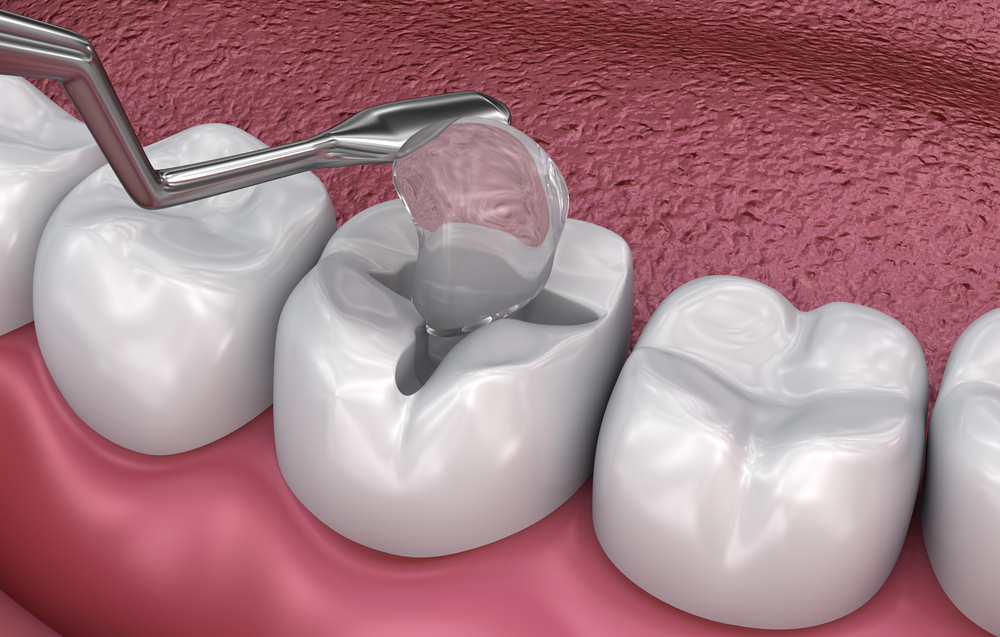
Dental fillings are one of the most common treatments used to repair teeth damaged by cavities. They’re designed to restore the tooth’s shape, strength, and function. But like anything else, fillings don’t last forever. Over time, they can wear down, crack, or fall out, leaving your tooth vulnerable to decay or damage. If you’ve had fillings in the past, it’s important to recognize the signs that they may need to be replaced.
Most individuals receive composite fillings in Edmonton to restore their smile since they can blend with the colour of normal teeth. Composite fillings are robust and attractive, but, like everything else, they have a lifespan. Let us explore the best signs that your dental filling is failing and what you can do about it.
1. You Feel Sensitivity or Pain in the Tooth
One of the first signs of a failed filling is tooth sensitivity or pain. Pain when eating something hot, cold, or sweet may be a sign that your filling is no longer protecting the inner part of your tooth. Sometimes, pain can happen when you bite down. This could be from a crack or space between your tooth and filling. Either way, it’s time to have your filling evaluated.
2. You Notice a Change in the Way Your Filling Feels
If you can feel something odd when you pass your tongue over your tooth, either a rough spot, a crack, or a tiny hole, it is possible that the filling is weakening or loose. Even if the difference is small, it’s a sign that something can be wrong.
You must never overlook changes in your dental work. Accessing a dentist in Edmonton earlier may avoid the issue from increasing.
3. Food Is Getting Stuck in Your Tooth
If you suddenly notice that food gets trapped around a filling more often, it might mean the filling is shrinking, cracked, or not sealing the tooth properly anymore. This is a problem because trapped food can lead to decay under the filling. Replacing the filling can fix the seal and keep your tooth healthy.
4. The Filling Has Changed in Color
While metal fillings don’t change much, composite fillings can stain over time. If your filling used to match your tooth and now it looks darker or yellow, it might be stained or breaking down. In some cases, colour change could also mean there’s decay underneath the filling. If you notice discoloration, it’s worth having it looked at.
5. You Can See or Feel a Crack
Fillings, especially if they are old, can crack due to pressure from chewing or grinding your teeth. A cracked filling may let bacteria enter your tooth, leading to decay or even infection. If you ever spot or feel a crack in your tooth, don’t wait. It could be a sign that your filling is no longer doing its job.
6. The Filling Has Fallen Out
If your filling falls out completely, it’s a clear sign it needs to be replaced immediately. A missing filling leaves your tooth exposed and weak. Eating or drinking can cause discomfort, and bacteria can get in and start causing decay. Always keep the area clean and see a dental clinic right away to prevent further issues.
7. It’s Been a Long Time Since You Got the Filling
You might wonder, how long do fillings last? It depends on the type of material used and how well you care for your teeth. On average:
- Amalgam (silver) fillings can last 10–15 years
- Composite (tooth-colored) fillings usually last 5–10 years
If your filling is older than that, even if it seems fine, it’s smart to have it checked. Regular dental visits help make sure your fillings are still in good shape and doing their job.
8. You Notice Bad Breath or a Bad Taste
Sometimes, when a filling starts to fail, bacteria can get underneath it and cause decay. This can lead to bad breath or a strange taste in your mouth. If you’re brushing and flossing regularly but still notice these issues, a failing filling might be the cause.
9. Your Dentist Recommends It
During a regular dental check-up, your dentist may tell you that a filling needs to be replaced, even if you haven’t noticed any problems. Dentists use special tools and X-rays to spot signs of wear or decay that aren’t visible to the naked eye. Many patients ask, “Do fillings need to be replaced even if they don’t hurt?” The answer is yes, because waiting for pain often means the problem has already progressed. If your dentist recommends replacing a filling, it’s best to follow their advice to avoid future pain or damage.
What Happens When a Filling Is Replaced?
If your filling needs to be replaced, the process is usually quick and simple. Your dentist will numb the area, remove the old filling, clean the tooth, and place a new one. The goal is to protect your tooth and restore its function as soon as possible.
For most people, replacing a filling is painless and done in a single visit. Afterward, you’ll be able to eat and speak normally once the numbness wears off.
Take Care of Your Smile – Visit Oliver Family Dental Today!
Your fillings work hard to protect your teeth, but they don’t last forever. Watching for signs of wear, damage, or pain can help you know when it’s time to act. If you’re unsure about an old filling or have any symptoms mentioned above, the best thing you can do is schedule a dental visit.
At Oliver Family Dental, we’re here to help you maintain a strong, healthy smile. Whether you need a new filling or just a checkup, our friendly team in Edmonton is ready to help. Book your appointment today and give your teeth the care they deserve!