

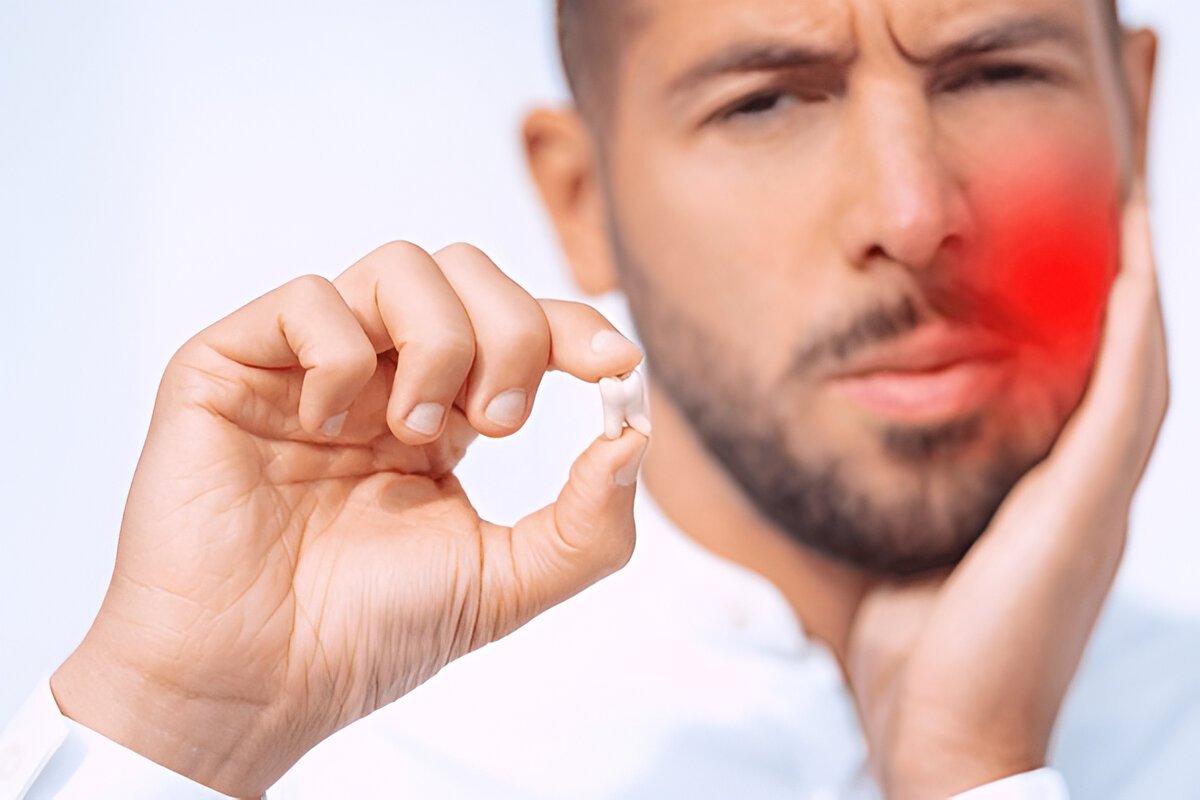
Removal of wisdom teeth is a common dental service. These are the last molars that grow in the late teenage to early twenties years. Sometimes there is not enough room for wisdom teeth to grow in appropriately. This can cause pain, swelling, or infection. In such cases, dentists may suggest wisdom teeth removal in Edmonton.
In this scenario, many people want to know how they can heal faster after their wisdom tooth extraction. Recovery time can be anywhere from a few days to a week, depending on the patient and how difficult the extraction was. You will be able to ease the discomfort and return to normal ways of living with the right care. Let us take a look at some tips to aid in recovery from wisdom teeth removal.
Control Bleeding and Swelling
After extraction, some bleeding is normal. If you are bleeding after your wisdom teeth removal, gently bite down on a gauze pad placed over the surgical area and replace it after a few hours until the bleeding slows down. Ice can also help with swelling. Place an ice pack on the outside of your cheek for 15 minutes on and 15 minutes off. This will be most helpful during the first 24 hours.
Follow the Dentist’s Instructions
After the removal of your wisdom teeth, your dentist in Edmonton will give you specific instructions for your care. It is important to follow these steps to help prevent complications from the extraction because they are essential to the process of healing and potentially reduce discomfort or pain. Instructions may include how to take your medications and when you need to change the gauze and what foods to eat or avoid. Always follow their instructions carefully to reduce the risk and help in your healing.
Watch Your Diet Carefully
The type of foods you consume post-procedure is very important to your recovery. Stick to soft foods like yogurt, applesauce, mashed potatoes, or soup, and do not chew near the extraction site. Avoid eating hot, spicy, and hard foods for at least a few days. Drink plenty of water, but not through a straw because the suction may dislodge the clot and prolong healing.
Rest and Avoid Heavy Activity
Your body needs rest in order to heal. For the first two to three days, do not engage in heavy exercise, such as weight lifting or bending over. These activities may increase bleeding and discomfort. While resting, try to keep your head slightly elevated to help reduce swelling.
Maintain Good Oral Hygiene
Good mouth care after the surgery is very important, but it needs to be done carefully. On the first day, do not rinse your mouth too vigorously. Starting the following day, rinse your mouth several times a day with warm salt water to help keep the mouth clean. When you brush your teeth, take care not to disturb the surgical site.
Use Medicines as Prescribed
A dentist may prescribe medications such as pain relief or antibiotics. It is important to take the medications as directed by your dentist. Do not skip medications, as this may slow your healing. Ask your dentist if over-the-counter medications could help with mild pain and swelling.
Avoid Smoking and Alcohol
Both smoking and alcohol can affect your healing process and infection rates, so avoid them entirely for at least a week after your experience of wisdom teeth removal. Smoking can also increase your chances of developing dry socket, a condition in which the blood clot at the extraction site is disturbed.
Do and Don’ts After Wisdom Teeth Removal
Here’s a quick table to help remember the main points for a safe recovery
| Do’s | Don’ts |
| Rest and allow your body to heal | Do not smoke or drink alcohol |
| Use ice packs for swelling | Avoid using a straw |
| Eat soft and cool foods | Do not eat hard, spicy, or hot foods |
| Take medicines as prescribed | Avoid heavy exercise or bending over |
| Rinse with salt water after 24 hours | Do not touch the extraction site with your tongue or fingers |
Signs You Should Call Your Dentist
While most of the time, post-wisdom teeth removal goes very smoothly, you should call your dentist if you notice
- Severe pain that is not managed with your pain medications
- Excessive bleeding that does not stop
- High fever or chills
- Swelling that gets worse after 3 days
- Pus or foul smell from the extraction area
This may indicate infection or other complications that require immediate attention.
Wisdom Teeth Removal Recovery Timeline
Each patient heals differently, but this is a general timeline for wisdom teeth recovery:
- First 24 hours: A blood clot forms, and swelling begins to develop.
- 2-3 Days: Swelling may peak and discomfort may peak and will slowly begin to resolve.
- 1 week: Most people return to a normal diet and activity.
- 2 weeks: Gums usually heal completely.
Finding Wisdom Teeth Removal Near You
If you are experiencing pain, swelling, or infection from your wisdom teeth, you should see a dentist. You can search for wisdom teeth removal near me on the internet, and you will find a local dental practice. A qualified dentist will examine your teeth, take x-rays, if needed, and then provide you with treatment options.
Get Expert Care For Your Wisdom Teeth Removal!
At Oliver Family Dental, we provide safe and gentle wisdom teeth removal so that you can be pain-free and healthy! Our friendly staff will use the most effective techniques to make this the optimal experience possible. Our team will guide you through your recovery and be available to answer any questions you may have. Do not let your wisdom teeth pain affect your life; book your wisdom teeth removal appointment with us today!